
WFSE Celebrates a Century of Black History Month

Pst… Don’t miss:I AM Podcast: MLK and AFSCMEon a strike that rocked a city and altered our history
This year marks the 100th anniversary of Black History Month — a moment to reflect on the Black leaders whose courage transformed the labor movement, opened doors for public service workers, and shaped the legacy of WFSE.
As AFSCME International President Lee Saunders reminded us in a recent blog,
“Throughout our nation's history, public service jobs have been a ladder to the middle class for African American families… Even while we were turned away from the private sector, Black workers could find good-paying, union jobs in public service.”
That didn’t happen by chance. AFSCME members fought to open those doors, and WFSE members played a key role in pushing those doors open here in Washington.
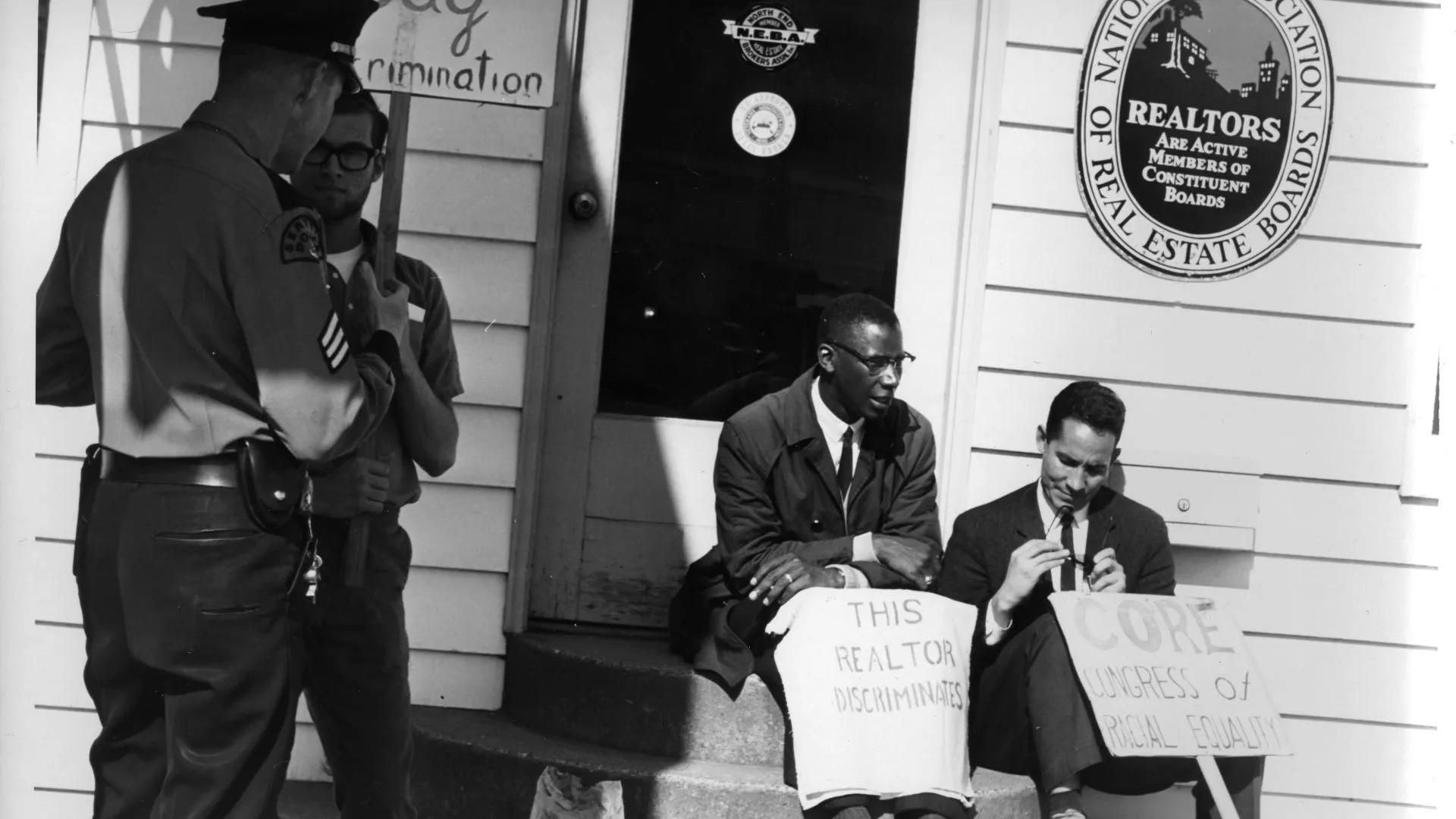
WFSE Establishes the Equity, Diversity and Inclusion Committee in 1961
During the Civil Rights Movement, WFSE members stepped up to ensure everyone could find fair pay, dignity, and respect in public service jobs.
One of those leaders was Walter Hundley (second from right above), hired in the late 1950s as the first African American counselor at Monroe Correctional Complex, later elected president of WFSE Local 452 in 1960.
In 1961, WFSE’s Executive Board created the Civil Rights Committee and named Hundley its first chair.
The committee’s charge was clear: "to ensure Washington’s anti-discrimination laws in hiring, promotion, race, religion, national origin, and age were fully enforced."
Learn more in this clip from our history page.
Today, that committee lives on as the Equity, Diversity and Inclusion (EDI) Committee, composed primarily of WFSE Executive Board members — continuing the same mission of fighting bias, confronting inequity, and expanding opportunity.
EDI Committee’s Anti-Racism Toolkit
The 2023-25 EDI Committee produced anEDI and Anti-Racism Toolkit which you can find hereas well as several places on WFSE.org.
This toolkit gives members and local leaders practical tools to:
- Identify inequity
- Challenge bias
- Build inclusive workplaces
- Strengthen equity-centered leadership
The resolution passed by the EDI Committee to share the toolkit with the membership was supported by WFSE's Executive Board.
You can learn more about WFSE's current Executive Board here.
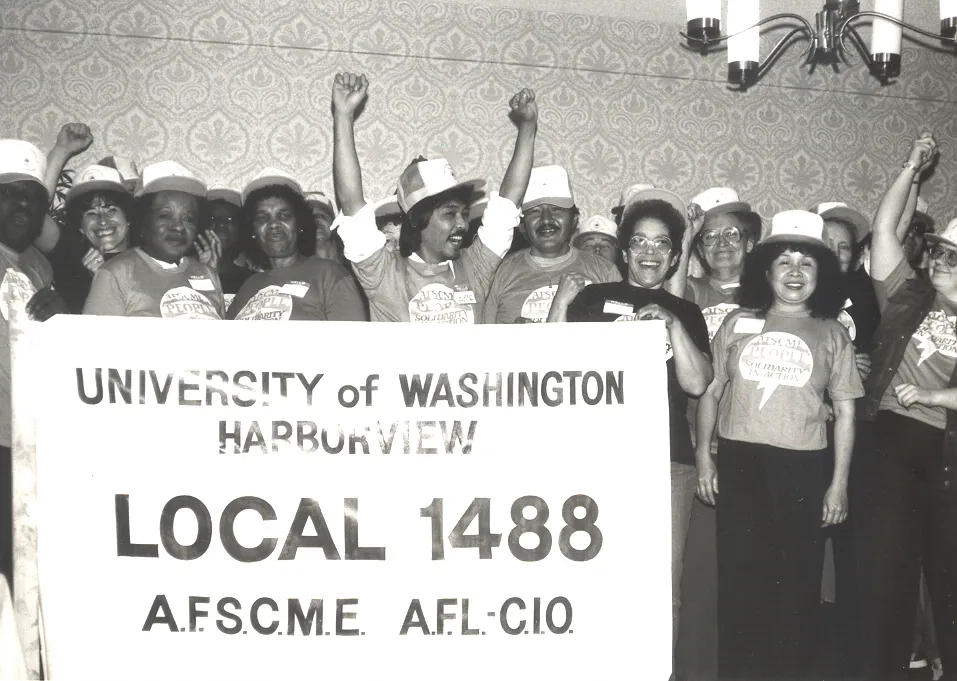
William Lucy and more WFSE history
WFSE not only fought discrimination here in Washington, we also helped ensure that AFSCME became a fighting force for civil rights nationwide.
The melding of labor rights and civil rights was most dramatically expressed in fighting for the dignity of Memphis sanitation workers in 1968. The Rev. Dr. Martin Luther King Jr. was assassinated while in Memphis to bolster the striking AFSCME workers.
In 1972, WFSE Executive Director Norm Schut nominated William Lucy — who went on to become one of the most influential labor leaders in U.S. history — for AFSCME Secretary‑Treasurer.
Lucy later co‑founded the Coalition of Black Trade Unionists and was instrumental in international human rights struggles, including the push to end apartheid.