
Community College Closure, Budgets Released | Leg Update 6

Return to the 2026 Legislative Session landing page
The Washington State House, Senate, and Governor have all released proposed supplemental budgets to tackle what has already become a $4 billion budget hole, just one year removed from the largest shortfall in state history.
Supplemental budgets are passed in even‑numbered years to adjust biennial budgets when they become imbalanced — which they inevitably do under Washington’s inefficient and antiquated tax code.
The most urgent item this week is a proviso hidden in the House budget that was released on Monday that seeks a recommendation to close at least one community or technical college.
On top of that, all our members in higher education are once again facing the prospect of serious reductions after serious cuts in 2025.
Community College Closure, Higher Ed Cuts on the Table
The proviso in the House budget asks for a recommendation to close at least one community college or technical college by November 1 of this year.
📣 Take Action: Tell Lawmakers No to Higher Ed Closures and Cuts
Take a few minutes to send a message to your state legislators and Governor Ferguson.
It's critical to contact our elected officials now as they are negotiating their way towards a consolidated budget that's due on March 12, the last day of session.
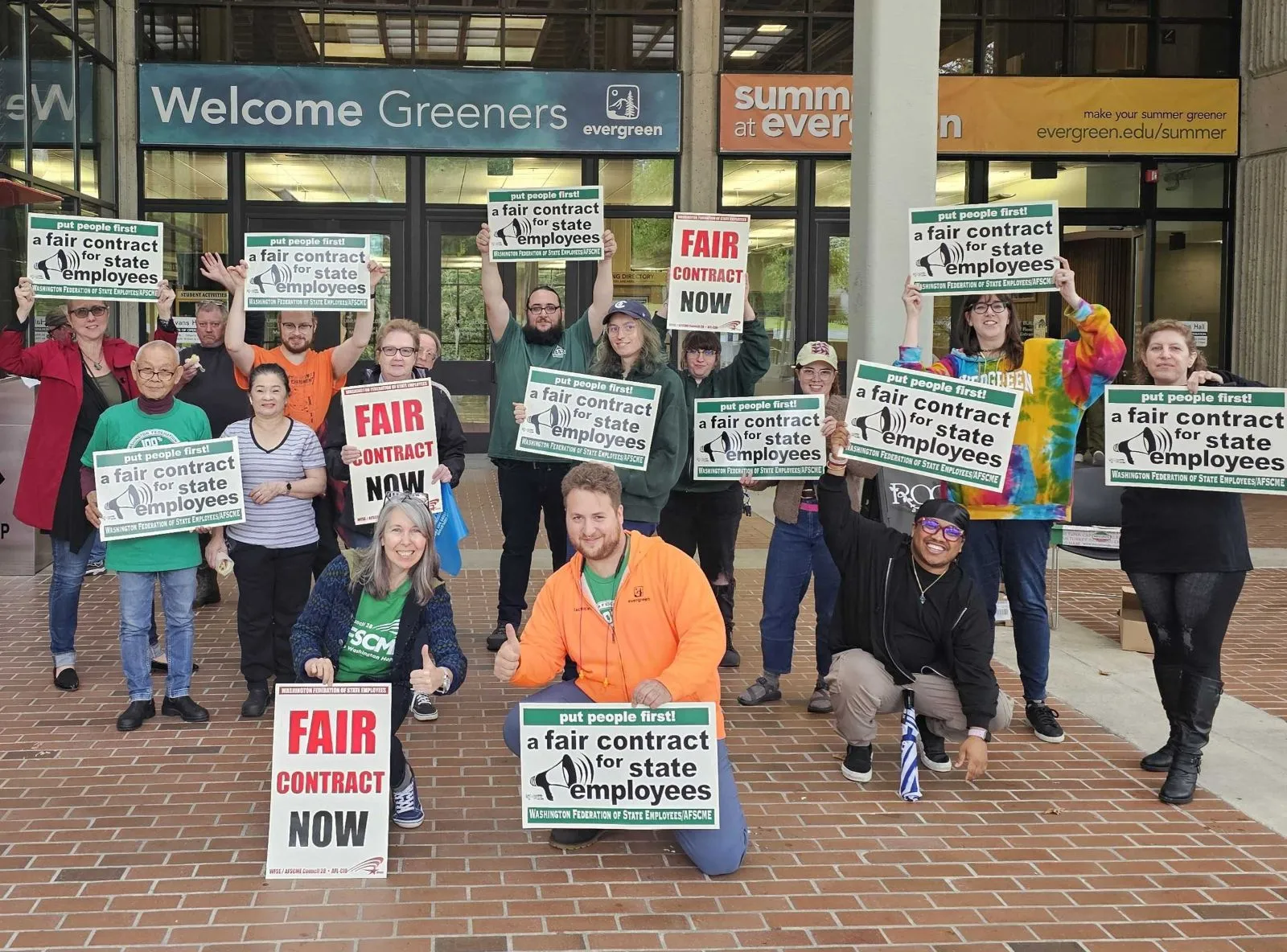
Proviso (Section 602(44)) of the House Operating Budget directs the State Board for Community and Technical Colleges to recommend a reduction of at least one community or technical college by November 1, 2026.
Click here for the complete language of the proviso.
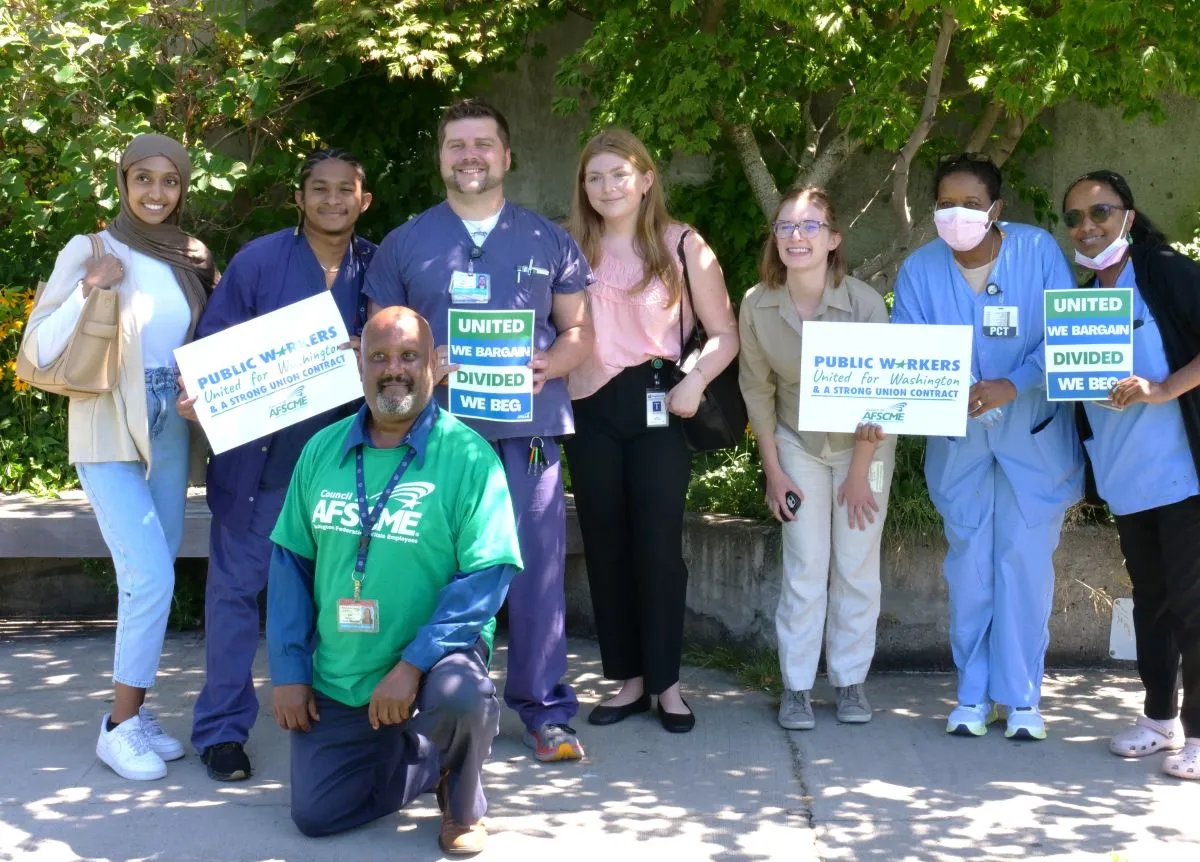
Here's a breakdown of the cuts being floated in the three proposed supplemental budgets:
- Governor Ferguson’s budget: Cuts 3% from UW and WSU, and 1.5% from all other public higher‑ed institutions.
- House and Senate budgets: Each imposes 1.5% cuts across the entire higher‑education system. In some good news, both budgets undo some of the disproportionate cuts to The Evergreen State College that were enacted in 2025.
If these cuts make it into the final budget, members should be ready to organize.
In 2025, WFSE members successfully organized to prevent mandated furloughs — but several colleges balanced state cuts by implementing furloughs anyway, disproportionately impacting frontline staff.
What fighting off higher education cuts matters, for all of us
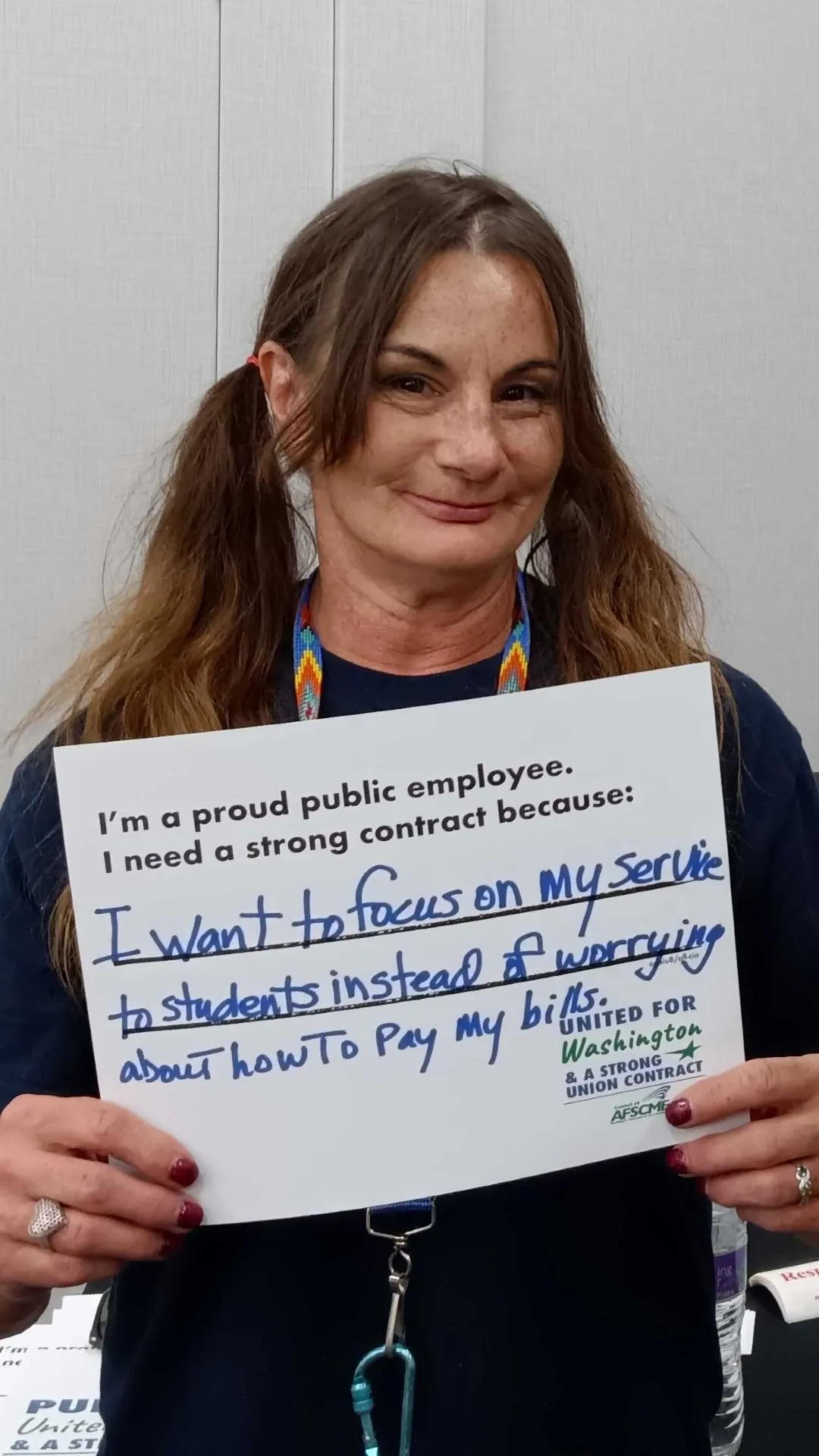
Cutting public services doesn’t work.
During the Great Recession, states that made cuts to their public workforce took longer to recover and experienced deeper job loss in both the public and private sectors.
That's especially true in Washington state, where our highly educated workforce and world‑class research institutions have been a driver of economic growth.
- The University of Washington alone generates $21 billion annually for the state economy.
- WSU contributes another $4 billion.
- Community and technical colleges strengthen regional economies by preparing students for in‑demand, good‑paying jobs.
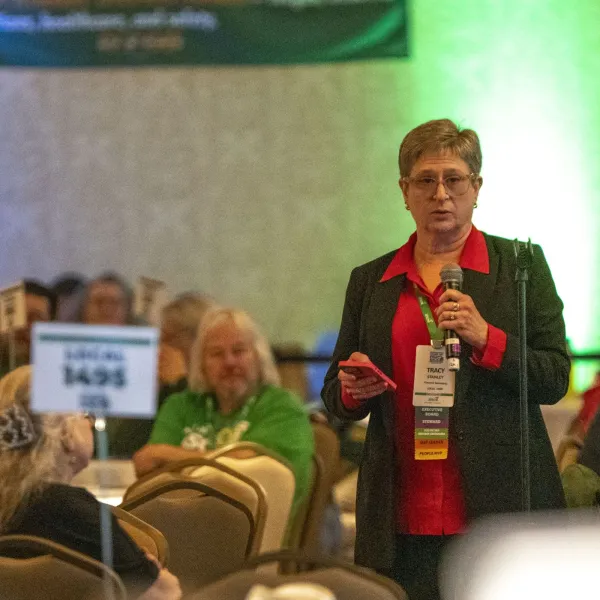
WFSE Local 1400 member, WFSE Council Secretary and Lower Columbia College IT employee Tracy Stanley puts it plainly:
“Every dollar cut has a negative multiplier effect, reducing local output, household income, and employment in the area.”
And the impact on current students is even more urgent:
“We are increasingly forcing students into a ‘false promise’ of access without the necessary support for completion.
These cuts gut essential programs and resources for student success, resulting in less support, larger class sizes, and outdated technology.”

What’s Next?
We’re entering the home stretch.
Between now and March 12, the House and Senate will negotiate a single, final budget.
If the Legislature passes a Millionaires Tax, the estimated $3.7 billion in annual revenue would help stabilize the budget, protect higher education, and reduce the likelihood of future cuts or closures.
📣 Take action to pass the Millionaires Tax here.
Here's the complete text of Section 602(44) of the House Operating Budget.
Section 602(44) of the House Operating Budget:
“The state board for community and technical colleges shall examine the current number of community and technical colleges and make a recommendation for the reduction of at least one institution in the system. By November 1, 2026, the board, pursuant to RCW 43.01.036, must submit a report to the governor and appropriate committees of the legislature.
The report shall include recommendations for consolidation that may reduce redundancy and expenses that do not directly correlate to student success. The state board shall also consider the locations of colleges by region, districts with more than one campus, and other regional factors where a reduction may not substantially impact access.
The state board shall include a review of district structure and how it impacts campus operations and student success.”