
Women's History Month: Learn About WFSE's Victory for Gender Pay Equity

WFSE has fought gender discrimination since its earliest days.
In 1957, we defeated a plan to restrict state employment to only one member of a household, a ban that would inevitably have taken jobs away from many working wives.
We equalized pension benefits and put an end to the practice of paying women less in retirement benefits because they were expected to live longer than men.
But by the mid 1970s, state jobs that were predominately held by women were still systematically underpaid.
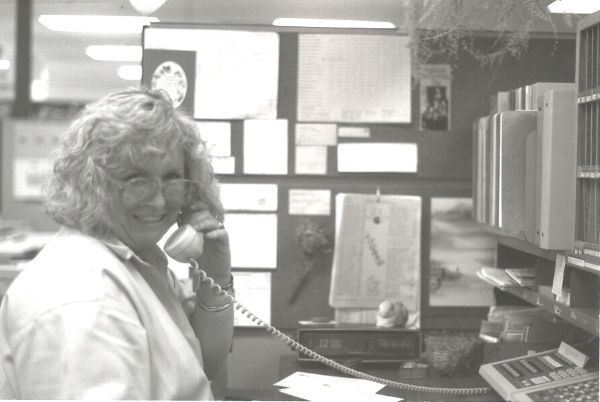
The Equal Pay Act, signed into law by President John F. Kennedy in 1963, made it illegal to pay men and women different wages if they were doing the same job.
But what if the jobs were different and the woman was still paid less even though her work was just as valuable or more valuable than the man's?
In other words, it wasn't about equal pay for equal work. It was about equal pay for work of comparable worth.
A revolutionary argument with slim odds: comparable worth
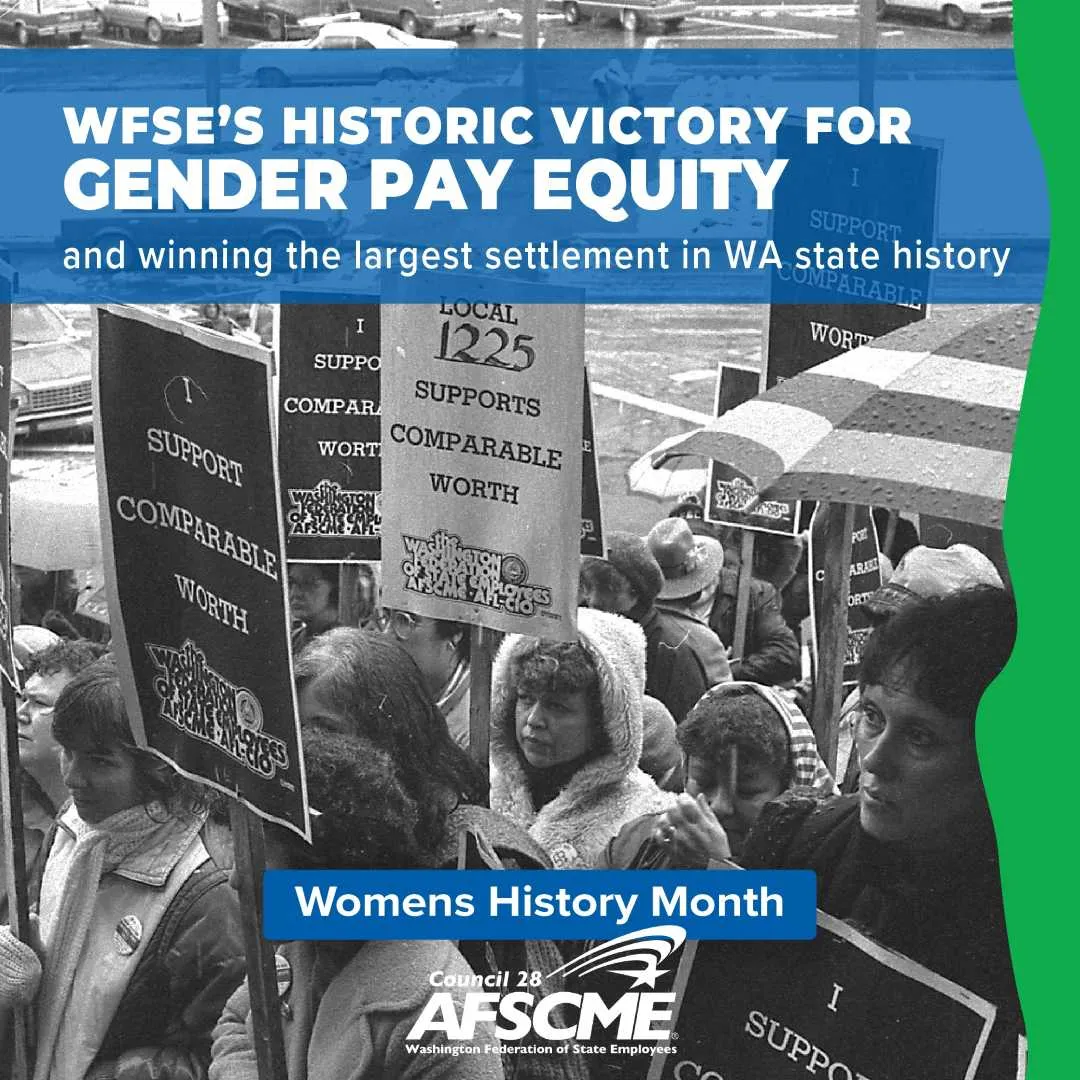
Winning this kind of pay equity meant proving that many of the jobs predominately held by women had the same or greater “worth” or value as many jobs that were paid more.
It was a high bar, requiring a reexamination of sexist beliefs that are baked into our society.
Learn the complete comparable worth story
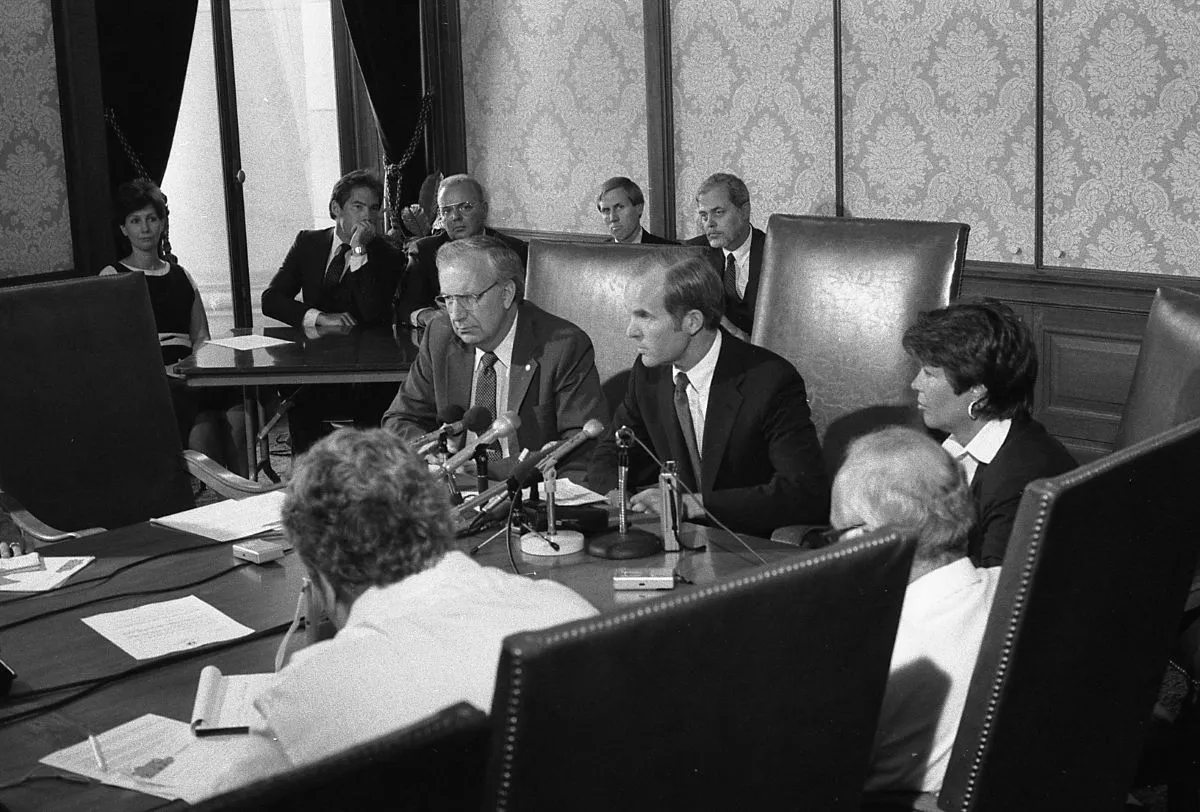
In twists and turns, our case went from US District Court, where we won, to the 9th Circuit Court of Appeals in San Francisco where it made national headlines before being overturned.
The Largest Settlement in Washington State History
Rather than appealing to the Supreme Court, WFSE instead pressured the incoming governor to negotiate a settlement. On Dec. 31, 1985 the agreement was signed, bringing $482 million dollars and significant pay raises to 35,000 workers whose jobs had been undervalued on the basis of sex.
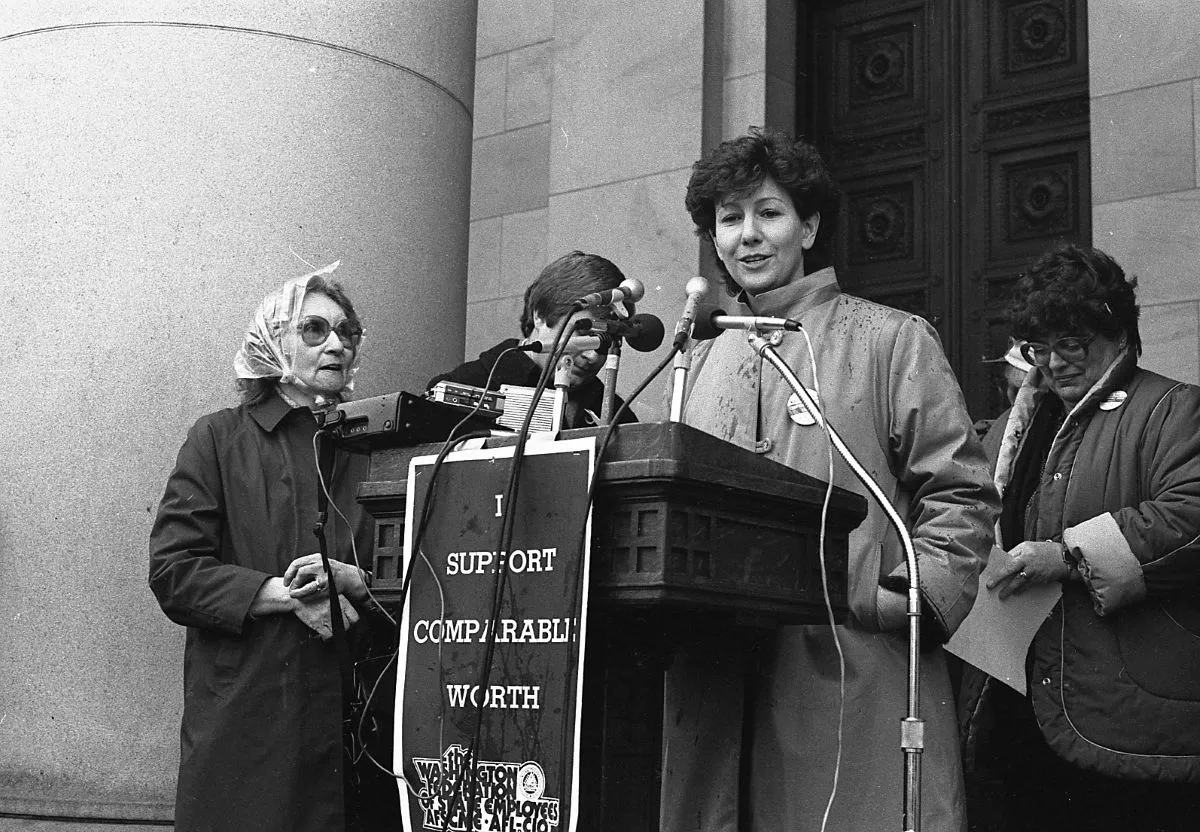
At nearly $1.5 billion in 2026 dollars, WFSE's win was the largest settlement in state history and the largest and most well-known comparable worth case in the nation.
It spurred national hearings, widespread state-level pay equity studies, and comparable worth legislation in multiple state and municipalities.
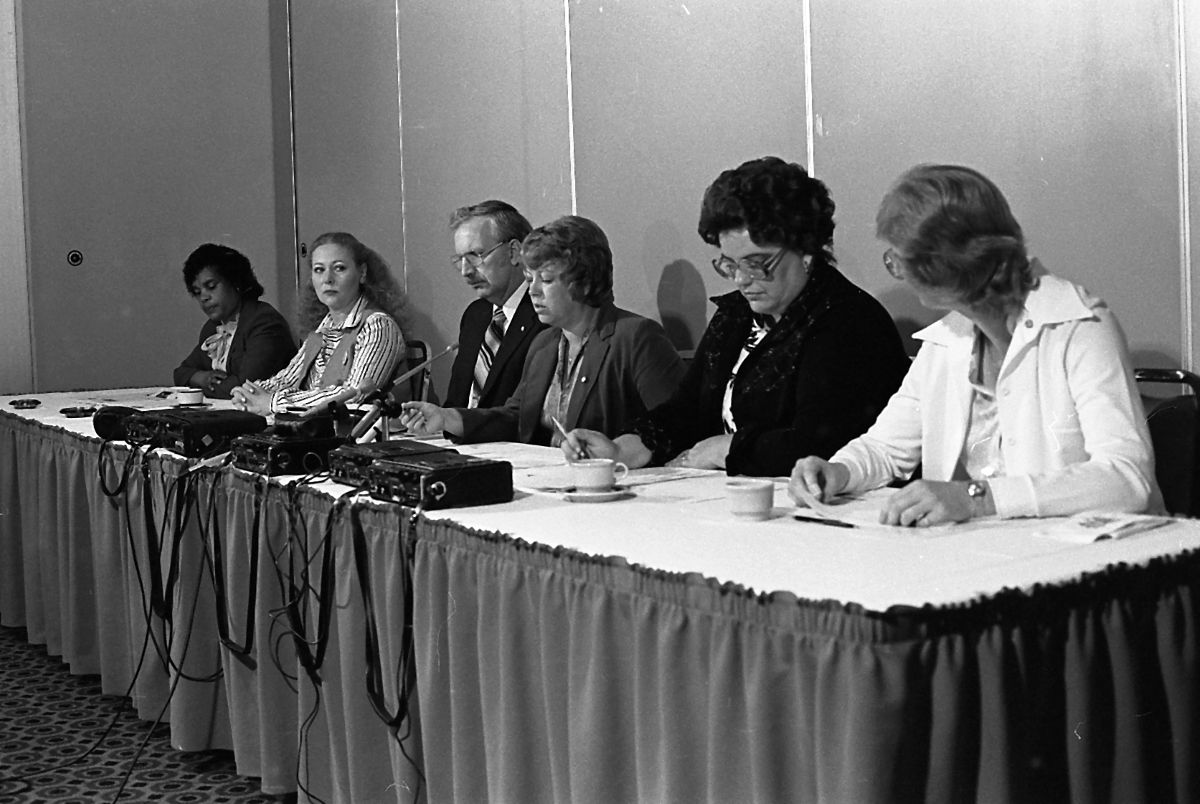
40th anniversary of Comparable Worth Day is this year!
Former Washington State Attorney General and Governor Christine Gregoire called WFSE's case “the most unique” of her career, admitting “constant mixed emotions” as she argued the state’s position while recognizing women’s underpayment.
This year on April 25 will mark 40 years since 35,000 public employees received their first pay-equity raises in their paychecks.
More work remains to win true pay equity, but one thing is clear: unions are where that work will take place— whether at the negotiating table or in the legislature. Get the facts.
Learn more about WFSE history here.
Not Getting Emails from our Union?
If you're represented by our union but you're not getting regular emails about local meetings and events, complete your subscription here so we can match you in our database and begin sending you messages about your worksite, your contract, and your local union.
If you're represented by WFSE, but not yet a member, sign your membership card online.It takes just minutes.
History has shown that when we stand together as a union, we can build a better future for our jobs, families and communities. That means:
- Fair Pay
- Affordable Health Care
- Retirement Security
- Preserving Public Services